Compare Local Contractors for Smoke Detector Installation Services
Compare local contractors to define the scope, verify experience, and set clear expectations for smoke detector installation projects.
Smoke detector installation services typically involve the placement and wiring of smoke alarms throughout a property to ensure proper coverage and functionality. This work may include assessing the property’s layout to determine optimal locations, installing the detectors on ceilings or walls, and connecting them to the building’s electrical system if necessary. Proper installation is essential for reliable operation, and contractors often handle both hardwired and battery-operated units, ensuring that each detector is positioned according to safety standards and local codes.
Defining the scope of smoke detector installation work is an important step in coordinating with local contractors. Clarifying whether the project involves replacing existing detectors, installing new systems in previously unprotected areas, or upgrading outdated units helps set clear expectations. Documenting the specific locations, types of detectors, and any additional work-such as wiring or integration with alarm systems-can prevent misunderstandings later. A well-defined scope also assists property owners in evaluating the experience and capabilities of different service providers, ensuring they have the appropriate skills for the job.
When comparing local contractors for smoke detector installation, property owners should consider their experience with similar projects and their understanding of relevant safety standards. Checking references or reviews can provide insight into the quality of work and reliability. It’s also useful to verify that contractors are familiar with the specific requirements of the property type and local regulations. Having detailed written agreements that outline the scope of work, responsibilities, and expectations can help ensure a smooth process and satisfactory results. This approach allows property owners to make informed decisions and select service providers who meet their needs effectively.
Compare local contractors by outlining your needs, verifying experience, and setting clear expectations in writing.
- Compare Service Providers - Review local contractors to find those best suited for smoke detector installation needs.
- Define Project Scope - Clearly outline the work required to ensure all parties understand the installation process.
- Verify Experience and Expertise - Assess the background of local contractors to confirm their familiarity with smoke detector systems.
- Set Expectations in Writing - Establish and document project details to promote clear communication and accountability.
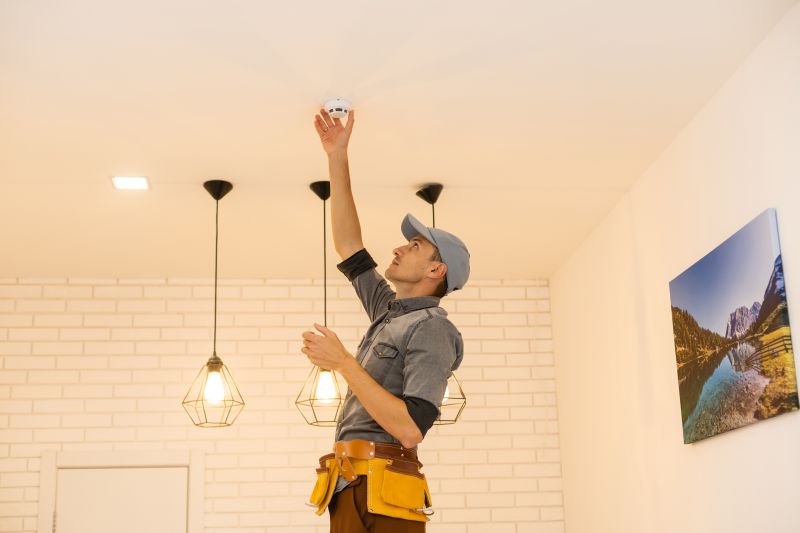
Before comparing local contractors for smoke detector installation, clearly define your project scope and verify their experience.
- Verify that the contractor understands the proper placement and number of smoke detectors required for the space. - Ensure contractors clearly define the scope of installation and coverage areas in writing.
- Check that the service provider follows local building codes and safety standards for smoke detector placement. - Confirm that the contractor has experience with residential or commercial smoke detector installations as applicable.
- Request a detailed written plan outlining the installation process and materials to be used. - Make sure the contractor provides a comprehensive scope of work before beginning the project.
- Assess whether the contractor offers guidance on the maintenance and testing of smoke detectors after installation. - Look for service providers who can advise on proper functioning and upkeep of detectors.
- Compare multiple local contractors to evaluate their experience and the scope of services offered for smoke detector installation. - Use comparison tools to identify service providers with relevant expertise and clear communication.
Compare local contractors' experience and clarify project scope to ensure smooth smoke detector installation.
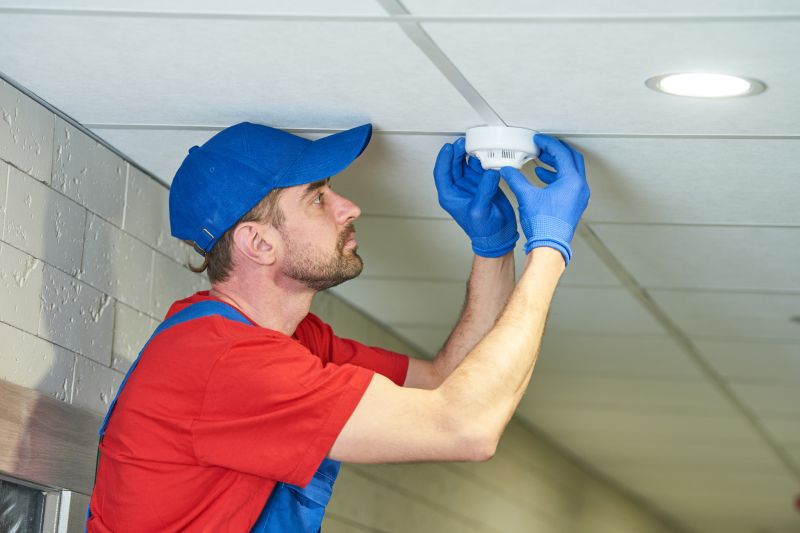
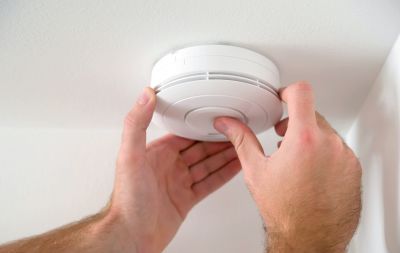
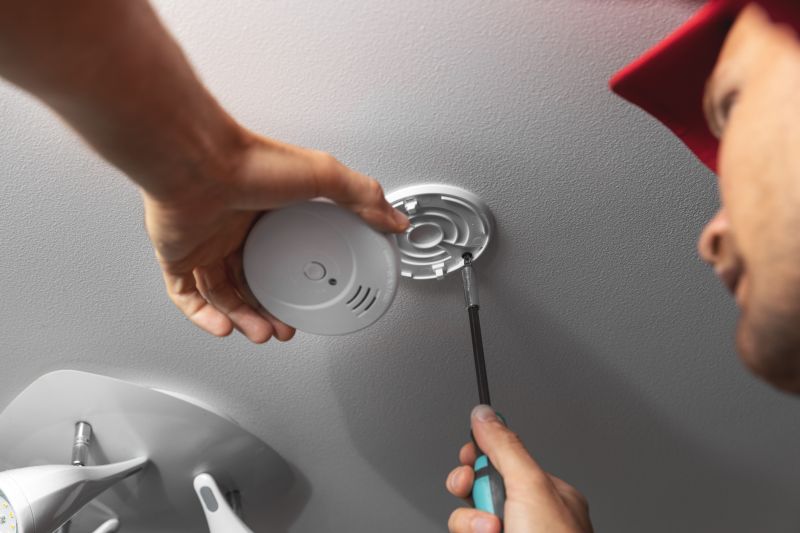
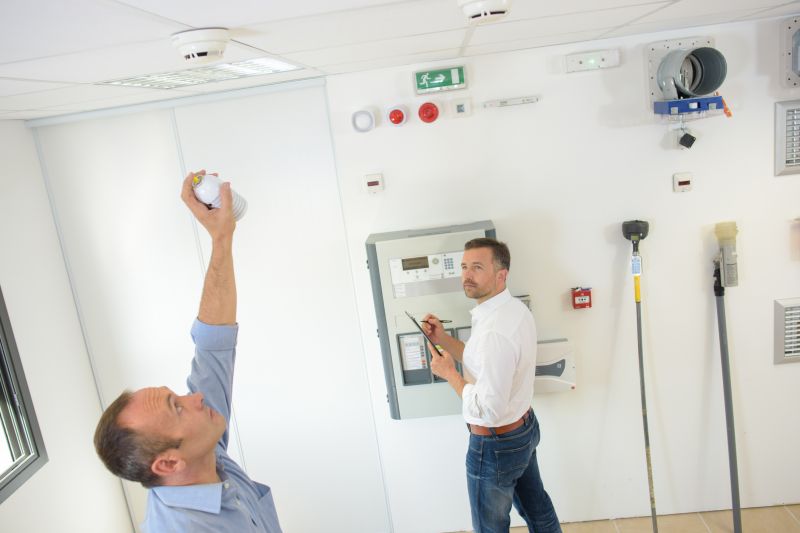
This section helps compare local contractors by establishing clear scope, verifying experience, and maintaining consistent expectations.
- Scope Definition - Clearly outline the specific areas and locations where smoke detectors will be installed to ensure comprehensive coverage.
- Experience Verification - Confirm that local contractors have relevant experience with smoke detector installation to meet safety standards.
- Installation Requirements - Specify the types and models of smoke detectors to be installed, including any necessary wiring or mounting considerations.
- Compliance Expectations - Establish that installation procedures adhere to applicable safety codes and manufacturer instructions.
- Written Agreement - Ensure all scope details, expectations, and responsibilities are documented in a formal agreement with the service provider.
When comparing contractors for smoke detector installation, it is important to consider their experience with similar projects. Homeowners should inquire about the types of properties and systems the service providers have worked on in the past. A contractor with a history of handling installations in residential settings will likely be familiar with common challenges and best practices, helping to ensure the work is completed efficiently and correctly. Verifying the level of experience can help identify service providers who are well-versed in the specific requirements of smoke detector installation, reducing the risk of overlooked details or improper setup.
A clear, written scope of work is essential when evaluating different contractors. Homeowners should seek detailed descriptions of what the installation includes, such as the number of detectors to be installed, the locations for placement, and any additional work like wiring or integration with existing systems. A well-defined scope helps set expectations and provides a basis for comparing the services offered by various local contractors. It also serves as a reference point to confirm that all necessary aspects of the project are addressed and agreed upon before work begins.
Understanding verification basics is key to ensuring the quality and safety of the installation. Homeowners should ask how contractors plan to verify that detectors are functioning properly after installation. This may include testing procedures, calibration, or confirmation of proper placement for optimal coverage. Service providers who incorporate thorough verification steps demonstrate a commitment to quality and safety standards, giving homeowners confidence that the detectors will operate as intended in the event of an emergency.
Evaluating options without focusing on prices involves assessing the professionalism and thoroughness of each contractor’s approach. Homeowners can compare how clearly each service provider communicates their process, the level of detail in their scope of work, and the experience they bring to similar projects. It is also helpful to consider how well the contractors understand safety requirements and their willingness to provide comprehensive verification. By focusing on these aspects, homeowners can select a service provider that offers reliable, knowledgeable, and consistent installation services, ensuring the job is completed to a high standard.
Ask contractors to provide written scope details to ensure clear expectations and consistent project understanding.
- Scope of Work - What specific tasks and responsibilities are included in the smoke detector installation?
- Experience and Credentials - How long have the local contractors been performing smoke detector installations, and what types of systems have they worked with?
- Materials and Equipment - What brands or models of smoke detectors do the service providers recommend, and are they compatible with existing systems?
- Installation Process - How do the local contractors plan to handle the installation to ensure safety and compliance with standards?
- Written Agreement - Will the scope of work, materials, and expectations be clearly outlined in a written contract before starting the project?
What should I consider when comparing contractors for smoke detector installation? It's important to review their experience, verify their reputation, and ensure they understand the scope of your project to choose the right service provider.
How can I define the scope of a smoke detector installation project? Clearly outline the number of detectors, placement locations, and any additional work to ensure contractors understand your expectations and deliver accordingly.
What questions should I ask a contractor before hiring for smoke detector installation? Inquire about their experience with similar projects, the types of detectors they install, and how they handle installation procedures and safety considerations.
Why is it important to verify a contractor’s experience for smoke detector work? Confirming experience helps ensure the contractor is familiar with installation standards and can perform the work effectively and correctly.
How can I ensure the scope of work is clear and agreed upon? It’s advisable to get all project details in writing, including installation locations, number of detectors, and any special requirements, to prevent misunderstandings.
What should I look for in a written agreement with a contractor? Ensure the scope of work, materials to be used, project expectations, and any warranties or guarantees are clearly documented before work begins.
This page has outlined the key steps to find reliable contractors for smoke detector installation, including understanding the scope of work, verifying experience, and setting clear expectations in writing. By comparing different local service providers, homeowners can make informed decisions that align with their specific needs. Using the quote form allows for a straightforward way to explore and evaluate options in the area.
Taking the time to review and compare local contractors ensures that the installation process meets individual requirements. Utilizing the quote form provides an opportunity to connect with service providers who can handle the job, making it easier to gather information and make confident choices.